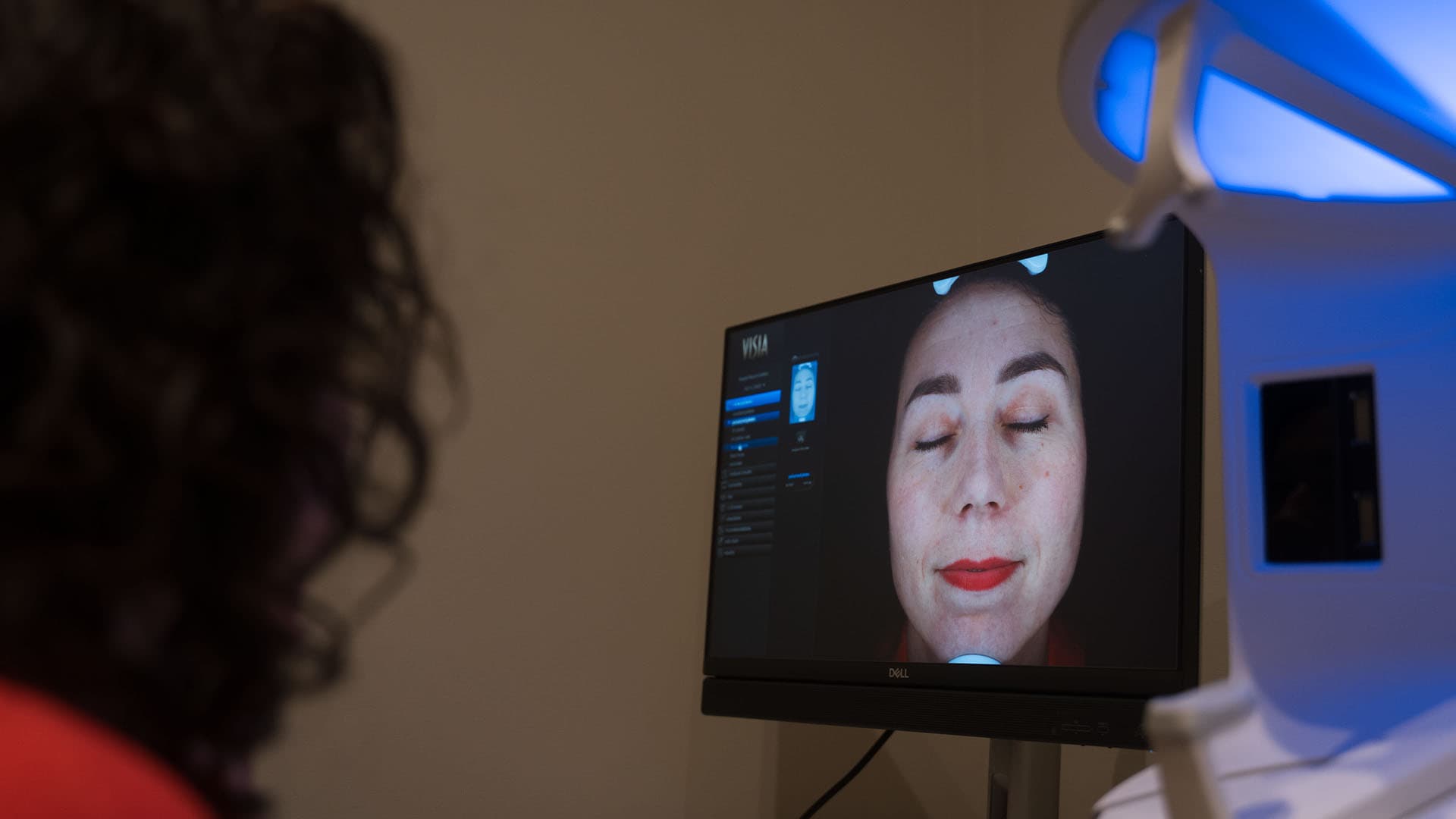
Rosacea treatment at Cannelle Skin Clinic in Oxford helps calm redness, sensitivity and flushing. Doctor led care combines advanced treatments and ZO Skin Health to restore clearer, more balanced skin.
Rosacea is a long term inflammatory skin condition that causes redness, flushing, sensitivity and visible blood vessels across the cheeks, nose or forehead. Some people also experience breakouts that look similar to acne, burning sensations or changes in skin texture. Rosacea often develops gradually and can flare due to triggers such as heat, stress, skincare, sun exposure or certain foods. At Cannelle Skin Clinic in Oxford we take a doctor led, medically grounded approach to diagnosing and managing rosacea to help patients achieve calmer, clearer and more comfortable skin.
Rosacea behaves differently from person to person. For some, redness is mild and only triggered occasionally. For others, symptoms are persistent and can affect daily confidence. Understanding your rosacea pattern is essential to selecting the right treatment and long term management.
Rosacea is multifactorial, meaning several biological pathways contribute to its development.
Vascular changes: The small blood vessels in the skin become reactive or enlarged, leading to flushing or persistent redness.
Inflammation: Chronic inflammation can make the skin feel hot, irritated or sensitive to skincare products.
Skin barrier weakness: A compromised skin barrier makes the skin more reactive to environmental triggers.
Microorganisms: Some individuals have increased sensitivity to naturally occurring skin microbes, which may worsen inflammation.
Genetics: Rosacea often runs in families and is most common in lighter skin types, although it can affect all skin tones.
Rosacea is not caused by poor hygiene. It is a medical condition that benefits from professional assessment and ongoing support.
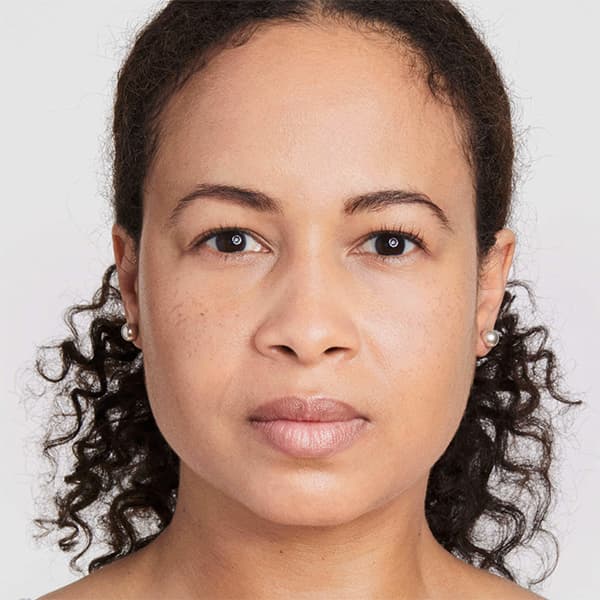
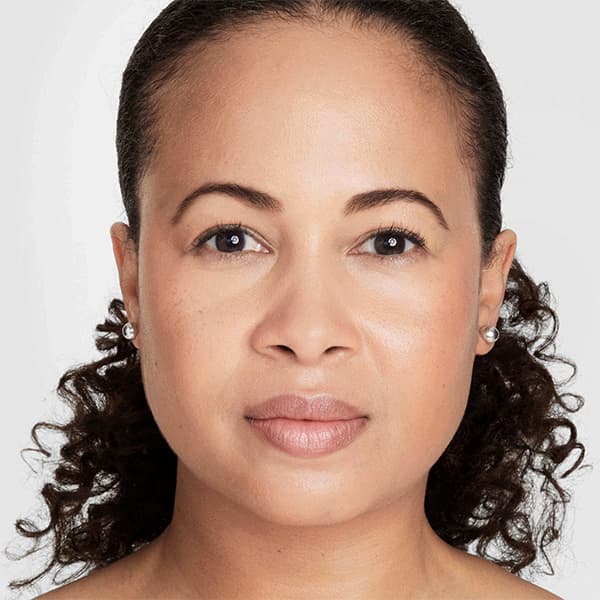
Rosacea typically affects the central areas of the face, including:
Symptoms can include:
Rosacea can look different at each stage, so personalised diagnosis is essential.
Rosacea can affect adults of any age but is most common between the ages of 30 and 60. It often affects:
Many patients are surprised to learn that rosacea is extremely common and manageable with the right approach.
Explore our frequently asked questions from patients in Oxford considering rosacea treatment.
Rosacea is caused by a combination of vascular sensitivity, inflammation, genetics and skin barrier changes. Triggers such as heat, stress or skincare can worsen symptoms.
Dr Mattia examines your redness pattern, sensitivity level and symptoms to determine the type of rosacea you have. This helps shape a tailored treatment plan.
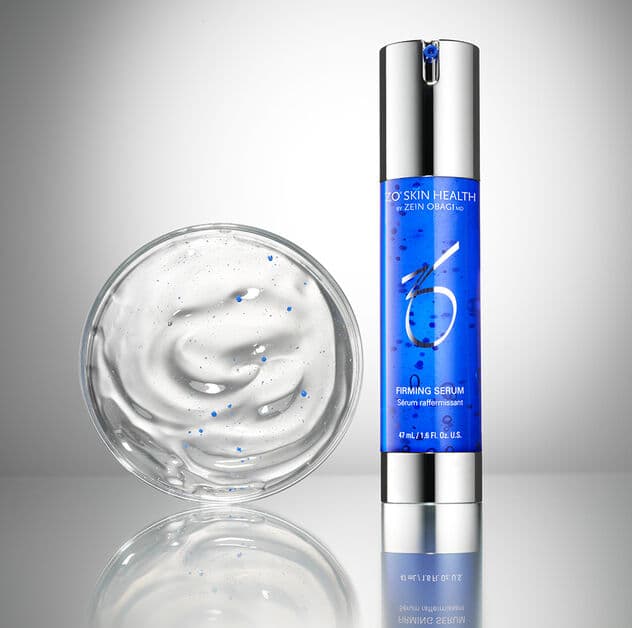
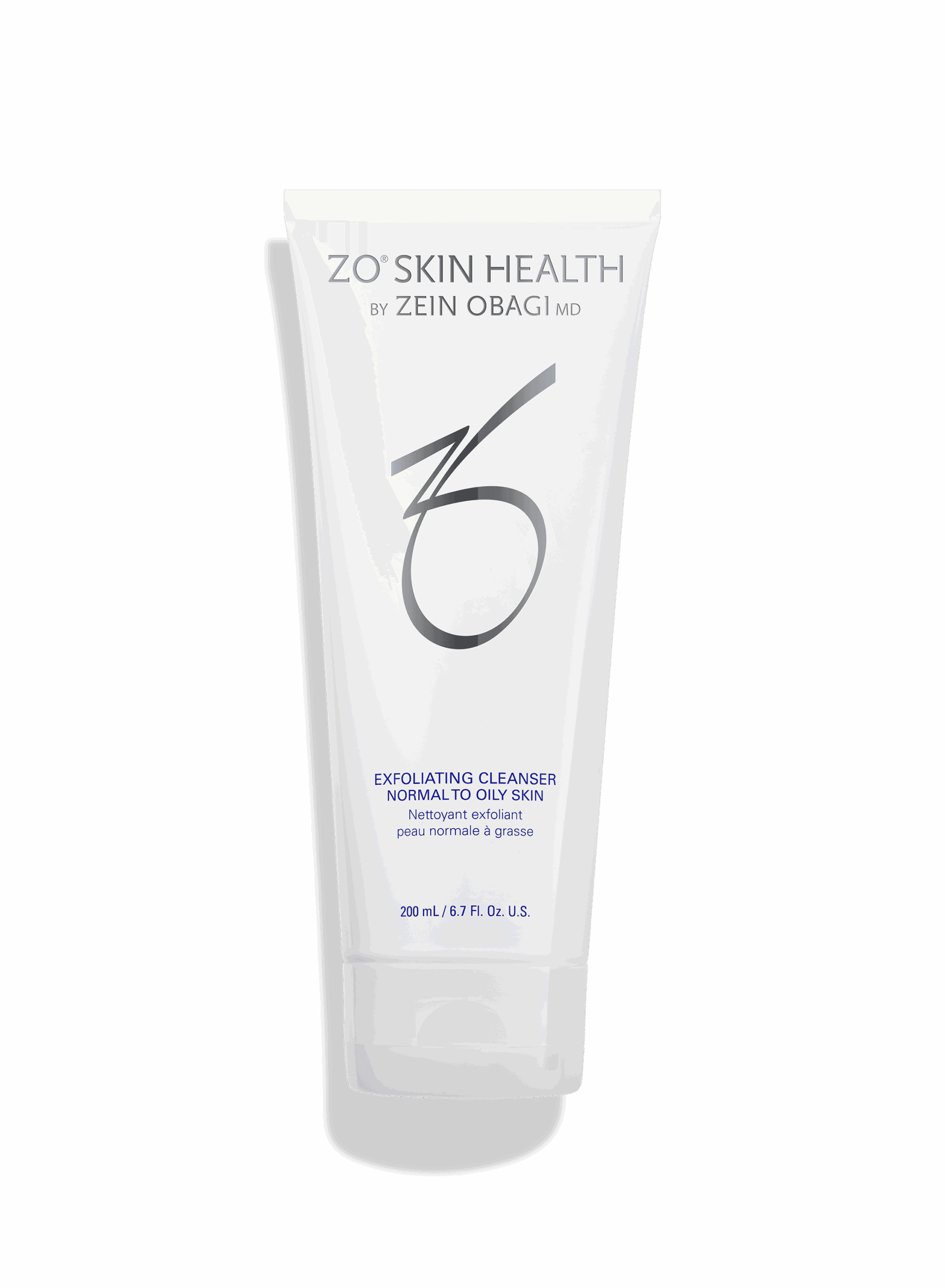
Helios Laser, HydraFacial, gentle chemical peels, LED therapy and ZO Skin Health products can all support calmer and more balanced skin.
Most rosacea treatments are comfortable. Laser sessions may feel warm, while peels may cause light tingling. All treatments are selected carefully for sensitive skin.
Many patients notice improvement within several weeks as inflammation settles. Long term management helps maintain clearer skin.
Rosacea cannot be permanently cured but it can be managed very effectively with the right treatments and daily care. Most patients experience significant improvement.
Yes. With doctor led assessment, rosacea treatments can be safely adapted for all skin tones and sensitivities.
Yes, but it must be suitable for sensitive skin. ZO Skin Health provides targeted products to strengthen the barrier and reduce redness.
At Cannelle Skin Clinic in Oxford, we offer a range of complementary options that help calm redness, support skin barrier function and reduce visible flare-ups associated with rosacea. Treatment plans are created by Dr Mattia Parducci, ensuring every recommendation is thoughtful, gentle and tailored to your skin’s sensitivities and long-term goals for greater comfort and balance.