
Sun damage treatment at Cannelle Skin Clinic in Oxford targets pigmentation, dullness and photo ageing. Doctor led care combines advanced technologies and ZO Skin Health for clearer, brighter and healthier looking skin.
Sun damage refers to the long term effects of ultraviolet exposure on the skin. Over time, UV light can cause pigmentation, lines, rough texture, broken vessels and a dull or uneven complexion. Even incidental exposure, such as walking outdoors or sitting near windows, contributes to gradual photo ageing. At Cannelle Skin Clinic in Oxford we offer a medically guided approach to assessing and treating sun damaged skin, helping you achieve clearer, smoother and more radiant results.
Sun damage is extremely common and affects people of all ages. It may appear in the form of brown spots, patchy tone, early wrinkling or general surface dryness. Because UV exposure affects the deeper layers of the skin, professional assessment is essential for choosing the right combination of treatments.
Sun damage occurs when the skin’s natural defences are overwhelmed by ultraviolet radiation. Both UVA and UVB rays play a role.
UVA rays: These penetrate deeply into the skin and break down collagen. This leads to early ageing, fine lines, laxity and long term structural changes.
UVB rays: These affect the surface of the skin and are responsible for sunburn, surface damage and irregular pigmentation.
DNA changes: Repeated exposure affects the DNA in skin cells, contributing to texture changes, pigmentation and accelerated ageing.
Inflammation and dryness: UV light weakens the skin barrier, leading to increased dryness, irritation and slower repair.
Even on cloudy days, up to 80 percent of UV light can reach the skin. Over time this cumulative exposure causes visible signs of photo ageing.
Sun damage typically appears in the most exposed areas, including:
Signs may include:
Each presentation requires specific treatment to correct safely and effectively.
Sun damage affects people of all ages and skin types. It is most common in:
Even people who currently protect their skin well may still show signs of earlier exposure.
Explore our frequently asked questions from patients in Oxford considering sun damage treatment.
Sun damage is caused by cumulative exposure to UVA and UVB rays. These rays affect collagen, pigmentation and the skin barrier, leading to long term visible changes.
During your consultation Dr Mattia examines the depth, type and distribution of pigmentation and texture changes to create an accurate treatment plan.
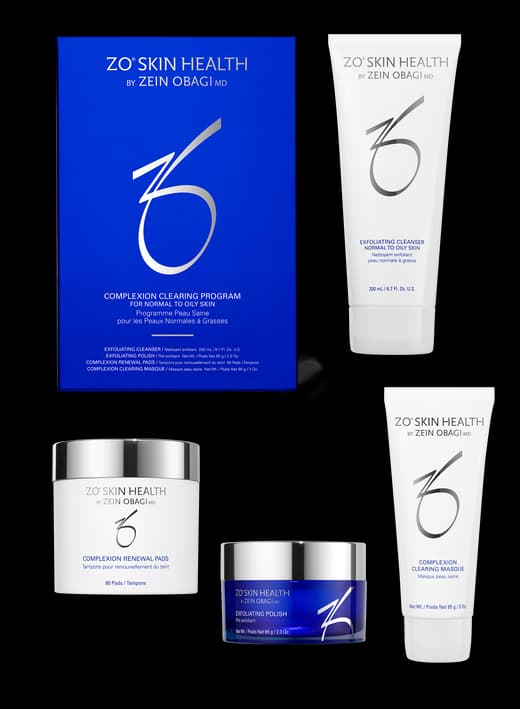
Many cases respond well to non prescription treatments such as chemical peels, HydraFacial, Helios Laser and LED therapy. ZO Skin Health protocols also support clearer skin and improved barrier function.
Helios Laser, chemical peels, ZO Skin Health, HydraFacial, LED therapy and microneedling all support clearer and healthier skin.
Most treatments are very comfortable. Peels may tingle and laser may feel warm. All procedures are delivered with care for sensitive or sun affected skin.
Many patients notice improvement within a few sessions. Pigmentation often fades gradually over several weeks as the skin renews.
Yes. Without daily sun protection, pigmentation and early ageing can reappear. SPF and ZO Skin Health maintenance play a key role in long term results.
Yes. With doctor led assessment, treatments can be tailored safely for a wide range of skin tones and sensitivities.
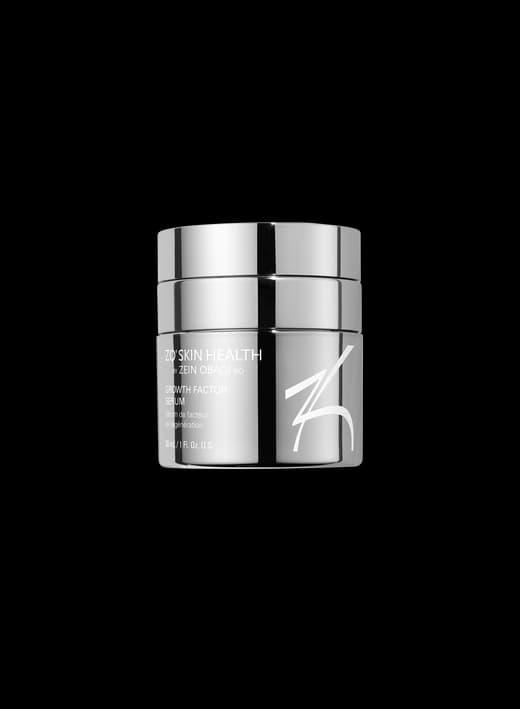
Medical grade skincare such as ZO Skin Health can significantly improve texture, brightness and pigmentation and support long term skin health.
At Cannelle Skin Clinic in Oxford, we offer a selection of complementary options that help address uneven tone, surface dullness and long-term effects of UV exposure. Treatment plans are created by Dr Mattia Parducci, ensuring every recommendation is carefully considered, balanced and tailored to your skin’s needs and long-term goals for brighter, healthier-looking results.